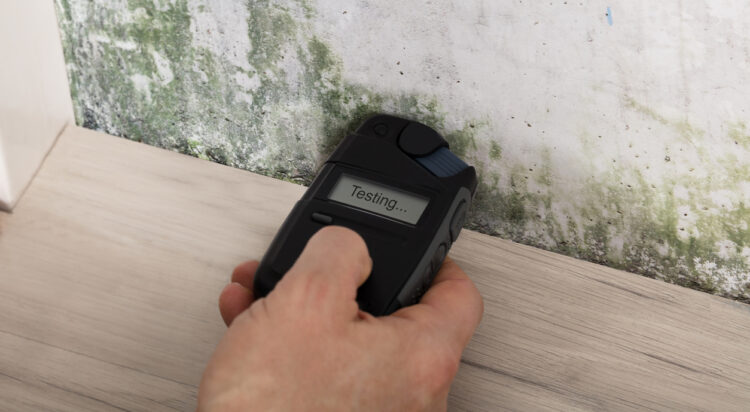
Mold is closely connected to moisture. When water enters a home — or indoor humidity remains elevated — mold may begin growing on drywall, wood, insulation, carpeting, and other materials. Sometimes the growth is easy to see. In other cases, the first warning may be a musty odor, staining or a history of water damage. This is where mold testing can help.
Home Scan Home Inspections provides professional mold testing in Fayetteville, Fayette County and surrounding South Metro Atlanta communities. We help homeowners, buyers, and sellers gather useful information about suspected mold and the moisture conditions that may be contributing to it.
When Should You Consider Mold Testing?
Not every mold concern requires laboratory testing. When visible growth is already present, the more important priorities are often identifying the source of moisture, determining the extent of the affected area and planning proper cleanup.
Testing may be useful when:
- A musty or earthy odor is present without visible growth
- A home has experienced flooding, plumbing leaks or roof damage
- Staining or discoloration is difficult to identify
- Mold may be concealed behind walls, beneath flooring, or in another inaccessible area
- You are buying a home with a history of moisture problems
- You want more information before planning remediation
- You need to document conditions before or after cleanup
- Previous remediation work has been completed and you want a follow-up evaluation
- A healthcare provider has suggested investigating possible environmental concerns
The purpose of testing should be clear before samples are collected. Home Scan will discuss your concerns, review relevant property conditions, and help determine whether mold sampling is likely to provide useful information.
Mold Is Usually a Moisture Problem First
Mold spores are naturally present both indoors and outdoors. They generally become a building concern when moisture allows them to grow on interior surfaces or materials.
Common moisture sources include:
- Roof, window, or plumbing leaks
- Crawl space moisture
- Foundation seepage
- Poor exterior drainage
- Condensation on pipes, windows, or ductwork
- Bathroom or kitchen ventilation problems
- Improperly vented clothes dryers
- HVAC or condensate drainage issues
- Flooding or previous water damage
- Elevated indoor humidity
Cleaning visible growth without correcting the water source may allow the problem to return. A useful mold assessment therefore looks beyond the suspected growth and considers the conditions that made it possible.
Georgia’s warm, humid weather, and periods of heavy rainfall can make moisture management an ongoing concern. Promptly addressing leaks, damp materials, and high humidity can help prevent a small problem from becoming more extensive.
What Does a Mold Assessment Include?
A mold assessment begins with information. We ask about odors, previous leaks, flooding, repairs, renovations, and the locations that have raised concern. We then evaluate accessible areas for visible conditions associated with mold and moisture.
Depending on the property and the reason for the assessment, the service may include:
- A visual evaluation of accessible areas
- Examination of suspected mold growth or staining
- Moisture measurements in appropriate locations
- Evaluation of conditions that may support mold growth
- Air or surface sampling when appropriate
- Comparison samples when needed
- Laboratory analysis of collected samples
- A report explaining the observations and test results
- Guidance about reasonable next steps
The exact scope should be based on the questions the testing is intended to answer. Collecting samples without a clear purpose can produce results that are confusing or of limited value.
Understanding Mold Test Results
There are no federal standards establishing a universally “safe” or “unsafe” concentration of mold spores in residential air. Mold sampling therefore does not produce a simple pass-or-fail grade for a home.
Instead, results must be interpreted alongside:
- Visible property conditions
- Moisture readings
- The location and type of samples collected
- Outdoor or comparison samples, when used
- The building’s history
- Current or previous water damage
- The limitations of the sampling method
Air samples represent conditions during a particular testing period. Mold levels can change with weather, ventilation, occupancy, and activities inside the home. Results should be viewed as one part of the overall assessment rather than a guarantee that mold is or is not present elsewhere in the structure.
Home Scan will explain the findings in clear language so you understand what was observed, what the testing found and what the information may mean for the property.
Mold Inspection, Testing, and Remediation Are Different
A mold assessment evaluates conditions and gathers information. Testing may identify mold captured in an air or surface sample. Remediation is the physical process of containing, removing, and cleaning affected materials while correcting the source of moisture.
Home Scan provides mold assessment and testing. When remediation is needed, the work should be completed by a qualified mold-remediation professional. Using a separate company for testing and remediation can also help preserve an objective assessment of the property.
After remediation, follow-up testing or a visual clearance assessment may be appropriate, depending on the size of the project and the circumstances.
Mold Testing FAQs
Can you identify mold just by looking at it?
Do I need testing if mold is already visible?
Can mold testing determine whether my home is safe?
Can mold cause health problems?
Can mold return after it is removed?
Can mold testing be added to a home inspection?
Get Clearer Answers About a Mold Concern
If you have noticed an unexplained odor, visible staining or signs of previous water damage, a professional assessment can help you determine what deserves closer attention. Contact Home Scan Home Inspections to schedule mold testing in Fayetteville or the surrounding South Metro Atlanta area.