
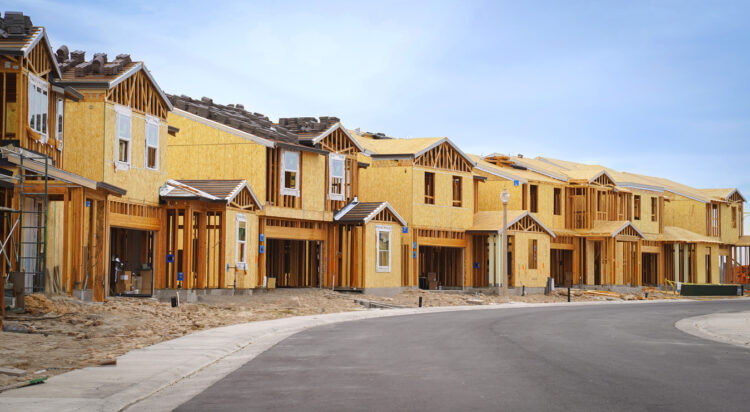
A New Home Still Deserves an Independent Inspection
A newly built home may have brand-new materials, modern systems, and builder warranties, but “new” does not automatically mean every component is complete or functioning as intended. Building a home involves numerous contractors, subcontractors, materials and installation stages. Even when everyone involved is working toward a quality result, incomplete work, damaged components and installation concerns can be overlooked — even in new-construction homes.
A new-construction home inspection gives you an independent evaluation of the property before you close and move in. Home Scan Home Inspections serves new-home buyers in the state of Georgia and eastern Alabama, providing careful inspections backed by years of practical experience.
What Is a New-Construction Inspection?
A new-construction inspection is generally performed when the home is substantially complete but before the buyer’s final walkthrough or closing. At this stage, the major systems should be installed and operational, utilities should be connected, and most interior and exterior finishes should be complete.
The inspection evaluates the home’s visible and accessible systems and components. The goal is to document conditions that may need to be completed, corrected, or further evaluated before ownership transfers.
The inspection does not replace the builder’s quality-control process, municipal inspections, or the final walkthrough. It provides an additional review focused on helping you understand the visible condition of your new home.
Why Inspect a Brand-New Home?
New homes can contain concerns for many of the same reasons older homes do. Materials can be damaged during construction. Components may be installed incorrectly. A task may be started but not completed. One trade’s work can unintentionally affect another part of the home.
Examples of conditions that may be discovered in new construction include:
- Incomplete or damaged roofing components
- Improper drainage or grading
- Missing sealant around exterior penetrations
- Damaged siding, trim, doors, or windows
- Plumbing leaks or improperly connected fixtures
- Electrical components that do not operate as expected
- HVAC installation or airflow concerns
- Missing or displaced insulation
- Incomplete safety features
- Appliances or fixtures that have not been properly installed
- Cosmetic damage that may indicate a larger issue
- Items that remain unfinished at the time of the inspection
Not every finding will be a major defect. Some may be relatively simple corrections. Identifying them before closing gives you an opportunity to discuss the findings with the builder while the construction team is still actively involved with the property.
What Does a New-Construction Inspection Cover?
A new-construction inspection is a visual, non-invasive evaluation. When installed, operational, and accessible, the inspection may include:
- Roof coverings and visible roof components
- Exterior siding, masonry, trim, and penetrations
- Windows and exterior doors
- Grading, drainage, walkways, and driveways
- Foundation and visible structural components
- Attic, insulation, and ventilation
- Interior walls, ceilings, and floors
- Stairs, railings, and guards
- Plumbing supply and drainage systems
- Plumbing fixtures and water-heating equipment
- Electrical service, panels, receptacles, and fixtures
- Heating and cooling systems
- Built-in appliances
- Garage doors and safety features
- Porches, decks, and exterior structures
- Visible signs of moisture intrusion
- Other accessible systems listed in the inspection agreement
Home Scan’s base home inspection also includes a roof and termite inspection at no additional charge.
The inspection cannot evaluate unfinished or inaccessible components. If utilities are disconnected, equipment has not been installed or areas are blocked by construction materials, those items may not be fully inspected.
When Should You Schedule the Inspection?
Ideally, the home should be substantially complete, clean, and accessible. The utilities should be connected, and the major systems and installed appliances should be ready to operate.
At the same time, the inspection should occur early enough for you to review the report and provide relevant findings to the builder before the final walkthrough or closing.
Ask the builder:
- When the home will be substantially complete
- When utilities and mechanical systems will be operational
- Whether an independent inspector is permitted
- How much notice is required
- What safety or access rules apply at the jobsite
- When inspection findings must be submitted
Construction schedules can change, so keep in contact with the builder and notify us if the inspection date needs to be adjusted.
Municipal and Independent Inspections Serve Different Purposes
Municipal building officials perform required inspections at designated stages of construction. These inspections play an important role in the building and permitting process, but they are not the same as an independent inspection performed for the buyer.
A Home Scan inspection focuses on the visible condition of the home on the day of the appointment. It does not issue permits, approve occupancy, or certify that every component complies with all current building codes.
Questions involving formal code compliance, permits, or certificates of occupancy should be directed to the builder or appropriate local authority.
Consider More Than One Inspection Stage
A final new-construction inspection is valuable, but it is not the only opportunity to evaluate the home.
- Pre-Drywall Inspection — A pre-drywall inspection occurs after framing and many rough mechanical components are installed but before walls and ceilings conceal them. This provides an opportunity to observe components that will not be accessible during the final inspection.
- Final New-Construction Inspection — The final inspection occurs when the home is substantially complete and its finished systems can be operated and evaluated.
- 11-Month Warranty Inspection — An 11-month warranty inspection takes place near the end of the builder’s first-year warranty period. By then, you have lived in the home through changing conditions, and signs of movement, moisture or system performance may have become more apparent.
Completing inspections at multiple stages provides a broader view of the home throughout construction and early ownership.
New-Construction Inspection FAQs
Doesn’t the builder inspect the home?
When should I book my new-home inspection?
Can I attend the inspection?
What if the home is not finished when the inspector arrives?
Start Homeownership With Better Information
Before you accept the keys to your new home, take the opportunity to learn more about its visible condition. Contact Home Scan Home Inspections to discuss your construction schedule and arrange an independent new-construction inspection.