
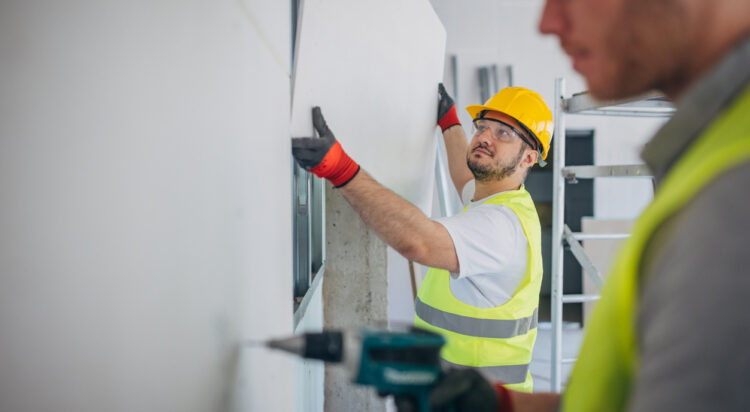
See What’s Behind the Walls Before the Walls Go Up
Building a new home is exciting, but many of its most important components will eventually be covered by insulation, drywall, flooring, and finishes. A pre-drywall inspection gives you an independent opportunity to evaluate visible construction before those areas become difficult — or impossible — to see. Home Scan Home Inspections provides pre-drywall inspections for new homes in Coweta County, Fayette County, covering the state of Georgia and eastern Alabama. With years of first-hand contracting experience, Philip understands how the different parts of a home should come together during construction. He uses that practical knowledge to look closely at visible materials, installations, and building components before the walls are closed.
A pre-drywall inspection does not replace the builder’s quality-control process or required municipal inspections. It provides another set of experienced eyes working on your behalf.
What Is a Pre-Drywall Inspection?
A pre-drywall inspection takes place after the home’s primary framing and many of its rough mechanical systems have been installed but before drywall conceals the interior walls and ceilings.
At this stage, the inspector may be able to observe framing, electrical wiring, plumbing lines, HVAC ductwork, structural connections, penetrations, and other components that will be less accessible later in the construction process.
The goal is to document visible concerns while the builder and subcontractors can still access those areas relatively easily. Addressing a misplaced component, damaged material, or incomplete installation before drywall is installed may be more practical than discovering it after the home is finished.
What We Look at During a Pre-Drywall Inspection
Every home and stage of construction is different. The inspection is limited to components that have been installed and are visible and accessible on the day of the appointment.
Depending on the home’s progress, the inspection may include:
- Visible foundation and structural components
- Wall, floor, and roof framing
- Beams, columns, joists, and trusses
- Framing connections and accessible fasteners
- Window and exterior door openings
- Roof sheathing and visible roofing components
- Plumbing supply and drainage lines
- Electrical wiring, boxes, and panel components
- HVAC equipment, ductwork, and vents
- Fire blocking and draft-stopping components
- Visible penetrations through framing
- Accessible exterior wall and weather-barrier components
- Signs of moisture intrusion or damaged materials
- Other visible construction details
The inspection is visual and non-invasive. It does not include engineering calculations, destructive testing, or confirmation of concealed conditions. If a concern requires specialized analysis, we may recommend consulting the appropriate contractor, engineer, or other qualified professional.
When Should You Schedule the Inspection?
Timing is critical. The inspection should generally take place after the framing is substantially complete and the rough plumbing, electrical, and HVAC components have been installed, but before drywall and other finishes conceal them.
Construction schedules can change quickly, so buyers should communicate with the builder early. Ask when the home will be ready for a pre-drywall inspection and how much notice the builder requires before allowing an independent inspector onto the property.
Ideally, schedule the appointment with enough time for:
- The inspection to be completed.
- The report to be reviewed.
- Findings to be shared with the builder.
- The builder to evaluate or address concerns before drywall installation.
Home Scan Home Inspections does not direct the builder or require specific repairs. We document the visible conditions observed so you can discuss them with the builder and determine the appropriate next steps.
Why Have an Independent Inspection?
Builders and municipal inspectors play important roles in the construction process. Municipal inspections focus on applicable code and permit requirements at designated stages, while builders may conduct their own quality-control reviews.
An independent pre-drywall inspection serves a different purpose. We inspect the visible condition of the home for you, the buyer. This gives you additional information about the property while important components are still exposed.
Even well-built homes involve many different trades, materials and installation steps. A pre-drywall inspection may identify incomplete work, damaged components, or details that deserve clarification before construction moves forward.
Pre-Drywall and Final Inspections Work Together
A pre-drywall inspection is not a substitute for a final new-construction inspection. Each service evaluates the home at a different point in the building process.
The pre-drywall inspection focuses on visible components before the walls and ceilings are enclosed. A final new-construction inspection takes place when the home is substantially complete and its finished systems and components can be evaluated.
Having both inspections provides opportunities to review the property at two important stages. An 11-month warranty inspection can provide another evaluation near the end of the builder’s first-year warranty period.
Pre-Dry Wall Inspection FAQs
When should I contact Home Scan about an inspection?
Does the builder have to allow an independent inspector?
Is a pre-dry wall inspection a code inspection?
What happens if the inspection identifies a concern?
Look Before the Walls Close
A pre-dry wall inspection provides a valuable opportunity to learn more about your new home while many of its essential components are still visible. Contact Home Scan Home Inspections to discuss your construction timeline and schedule an independent inspection.